

When to Replace uPVC Door Locks
If your upvc lock has trouble closing or locking correctly, it may be time to replace it. Look for the name of the manufacturer on your lock's faceplate to determine which model you have.
Changing a upvc door lock is an easy task for experienced locksmiths, and can aid in maintaining the security of your home. It is essential to have the key measurements, such as the PZ and screw-to-spindle distance, in hand.
Cost
Many reasons may cause the need to replace uPVC door locks. This can include a break in, a loss of keys, or moving to a new house. The cost of replacing a lock is a major expense, regardless of the reason. The price of the new lock will differ in accordance with the type, brand and features. It is also important to think about the cost of installation and labor. The locksmith should be able to provide an array of options to suit your needs and budget.
The replacement of a uPVC door lock is a simple and straightforward process that can be completed within less than an hour. This can save you money on repair costs and improve the security of your home. If you're not familiar with DIY work or do not have the appropriate tools hiring a professional might be worth the cost.
The price of the cost of a uPVC replacement lock is influenced by a variety of factors, such as the type and size of the lock. A larger lock is more expensive than smaller ones. The price of the lock could increase if it comes with additional security features. upvc door lock replacements Repair My Windows And Doors -point locking mechanisms, for instance, can be used to engage multiple points on the frame, making it more difficult to gain entry.
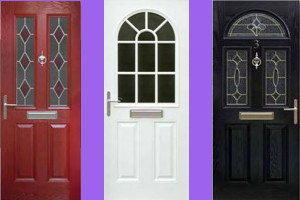
Before purchasing a new lock, it is essential to know the manufacturer's name and the marking on the door handle. This will allow you to locate a lock replacement that is an exact match to your uPVC locking mechanism. The same brand will make it easier to install the new lock and make sure that your door is completely functional with no issues.
Signs that a uPVC lock is damaged or not working properly include difficulty in inserting the key, resistance of the handles, and visible damage to the latch and mechanism. It is essential to check regularly your uPVC locks for these signs, since this will help to keep your home secure and safe from intruders.
There are numerous uPVC lock manufacturers that provide different models with varying security features. It is recommended to select a lock which features an anti-snap function, as it will significantly boost the security of your home. Installing a peephole and adding a bolt or chain to the door are additional security measures.
Installation
Changing uPVC door locks does not have to be a daunting task. Knowing when to change the lock, knowing the indications and having the appropriate tools are vital. As is maintaining security by making sure that the new lock is of high quality and is properly fitted.
It is important to determine the type of cylinder that you have. It is usually a bulb shaped cylinder with an opening for a keyhole that is fitted onto the handle, as well as spindle to insert the lock shackle. Remove the screw for the lock barrel (it is likely to be a different color than the other screws) and remove the old barrel. Insert the new barrel and turn it right until it's locked in position. Screw the screw back into the correct position. After you've done this you can place the door handle in its slot by threading the spindle into the handle socket. Finally, test the door using your key to confirm that it is correctly aligned and can be easily turned.
It's a good idea to replace your uPVC lock if it's not working or jamming. These are signs that your lock is a little worn out or may be damaged by a break-in attempt. A new lock will keep thieves out and provide peace of mind.
Every moving part requires some TLC every now and then, and uPVC door locks aren't an exception. A quick wipe down with a damp sponge will make a huge difference and lubrication is vital. Apply a dust-resistant, graphite grease sparingly to your uPVC door every six months. This will help you avoid stiffness and ensure that they function at their best. DIY projects will save money and help you learn some useful techniques, but if you're getting overwhelmed or your DIY venture transforms into Thor's hammer meets Ragnarok it's time to contact a professional locksmith. They will bring advanced tools and expertise to make the process swift and easy as well as secure. They will also give you guidance tailored to your specific needs.
Security
Some experts suggest replacing uPVC door locks every seven years in order to repair tears and wear, as well as upgrading to a safer version. A key that is hard to turn is an indication of wear inside the lock. A lock that feels flimsy even when it is locked is also an indication that you'll need to replace it. It's important to put in extra security measures to help keep out burglars, such as hinge bolts that can be fitted to outward opening doors to stop them from being forced to open.
Removing the barrel lock from a uPVC door is an easy task and should only take around five minutes. First, take off the handle from the door and then remove the long screw in the lock barrel. Remove the lock's cylinder and replace it with a new one. Use the key to encase the old lock in the new cylinder (you'll be able to tell when it's locked if you can't turn it). Once the lock is in place you can screw the long screw back in and then re-insert the handle's spindle. Test the lock by opening the door and closing it from the inside as well as the outside.
It's important to consult the instructions of the manufacturer of your lock when you're uncertain about any of these steps. If you're unsure about any of these steps, you may need to seek out an expert locksmith. It's also helpful to have an eraser and masking tape available to mark exact locations.
It's also a good idea to lubricate the lock mechanisms regularly using an approved oil. A lubricant based on graphite won't collect dust as much as petroleum-based products, and it will keep the lock moving smoothly. It's a simple, inexpensive maintenance task that could help you avoid headaches later on. If you're likely to forget this task, set reminders in your phone's calendar app to remind yourself to do it. It could mean the difference between keeping your home secure and having to pay high repair costs following a break-in! Adding an anti-drill lock to your front door could be a good investment. It's an affordable method of giving your home extra security from intruders and it's easy enough for most homeowners to install their own locks.
Maintenance
It's a good idea change your locks regularly to avoid any potential issues. These issues could be an unresponsive lock, a door handle that is loose or no longer secure, or a lock that doesn't open or close using the key. These issues are typically caused by wear and tear or temperature fluctuations, but can also be due to faulty components within the locking system. To ensure that your uPVC door remains secure, you should adopt preventive steps.
When changing a uPVC door lock, you must take key measurements prior to when you begin. This will ensure that the new lock cylinder will fit into the door properly and performs at its best, without jeopardizing security. You'll need to determine the backset as well as the faceplate width of the lock. The old handle must also be removed by loosening screws using a screwdriver. After the screws have been removed and the handle is separated, you can take out the handle's inner and outer and then remove the barrel lock from the cylinder.
After the lock cylinder is replaced, you must test it by inserting the key, closing and opening the door. It is possible to call a locksmith if you are having trouble locking or unlocking the door. This will help you save money and ensure that your doors are secure and secure.
It's not as difficult as it may seem, but you should be aware of the risks before you begin. Doing it yourself can result in mistakes and major costs down the line. It's also essential to have an extra screwdriver with a flat head in your bag, as it will help you in one of the re-assembly steps. If you're uncomfortable with tools or haven't done this kind of repair before, you should call a professional. This will ensure that the job is done properly and you won't end up having a door which won't close or lock. This will save you a huge amount of time and stress.